The History of Safari Tourism in Africa
African safaris are among the continent’s most iconic travel experiences. They draw travellers from around the world in search of wildlife, wide open landscapes, and a deeper connection with nature. What many people don’t realise is that the safari you experience today has been shaped by decades of change, shifting values, and evolving travel styles.
From its early beginnings to the modern, conservation-focused journeys now on offer, safaris have transformed in meaningful ways. Understanding the African safari background gives you helpful context and allows you to appreciate your safari on a deeper level, knowing how this remarkable style of travel became what it is today.
The Origin of the Safari
The word safari comes from Swahili, meaning “journey.” A safari referred to any long overland expedition, often involving groups of travellers, guides, and porters moving together across large distances. These journeys took place for practical reasons such as trade, communication between regions, or exploration of unfamiliar territories.
Early safaris were demanding undertakings that required knowledge of landscapes, weather, and local routes. They were organised for necessity, not leisure. Traders, explorers, and local communities undertook these journeys to connect regions, exchange goods, or map land. At this stage, the safari was simply a means of travel and survival.

The History of Safari Tourism
As European influence expanded across Africa, the concept of the safari began to change. In the late 19th and early 20th centuries, organised expeditions increasingly attracted foreign visitors seeking adventure. These early journeys, often focused on big-game hunting, were seen as prestigious, once-in-a-lifetime experiences for wealthy travellers. They are a key part of the history of African safaris and the broader history of wildlife tourism.
During this period, the first safari camps and bush lodges appeared, offering structured experiences with professional guides, trackers, and organised itineraries. However, as wildlife numbers declined, governments and organisations created protected areas, marking a turning point toward more regulated and conservation-focused safaris.
How African Safaris Have Evolved Over Time
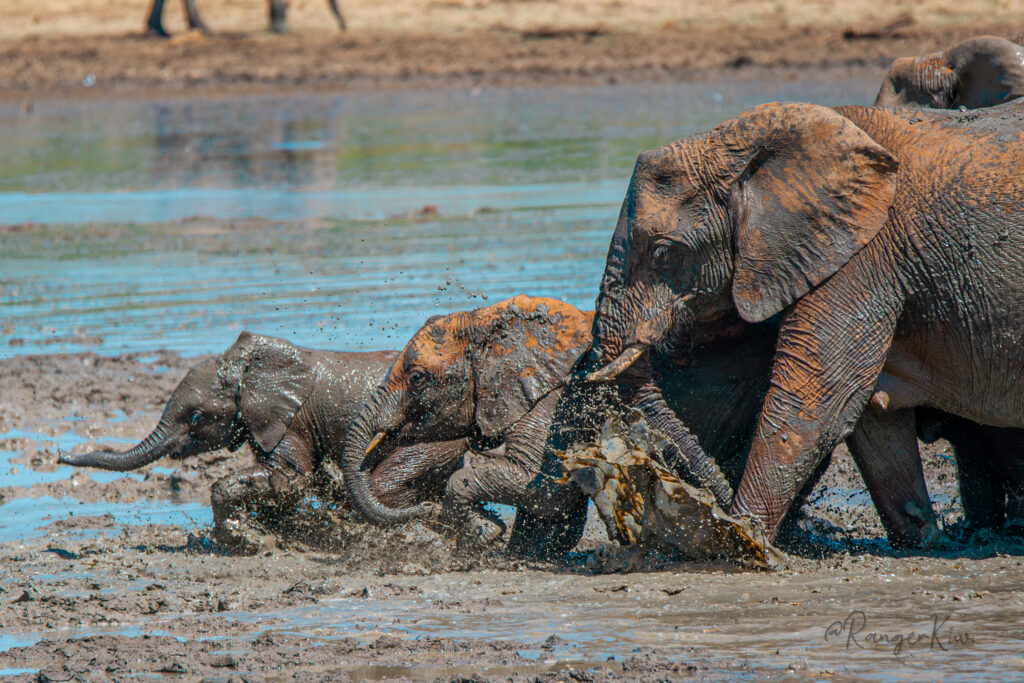
The evolution of safaris has seen journeys shift dramatically from hunting to wildlife viewing and photography. The focus moved toward observing animals in their natural habitats, encouraging conservation and respect for ecosystems. This change reshaped the safari into a more educational and ethical experience.
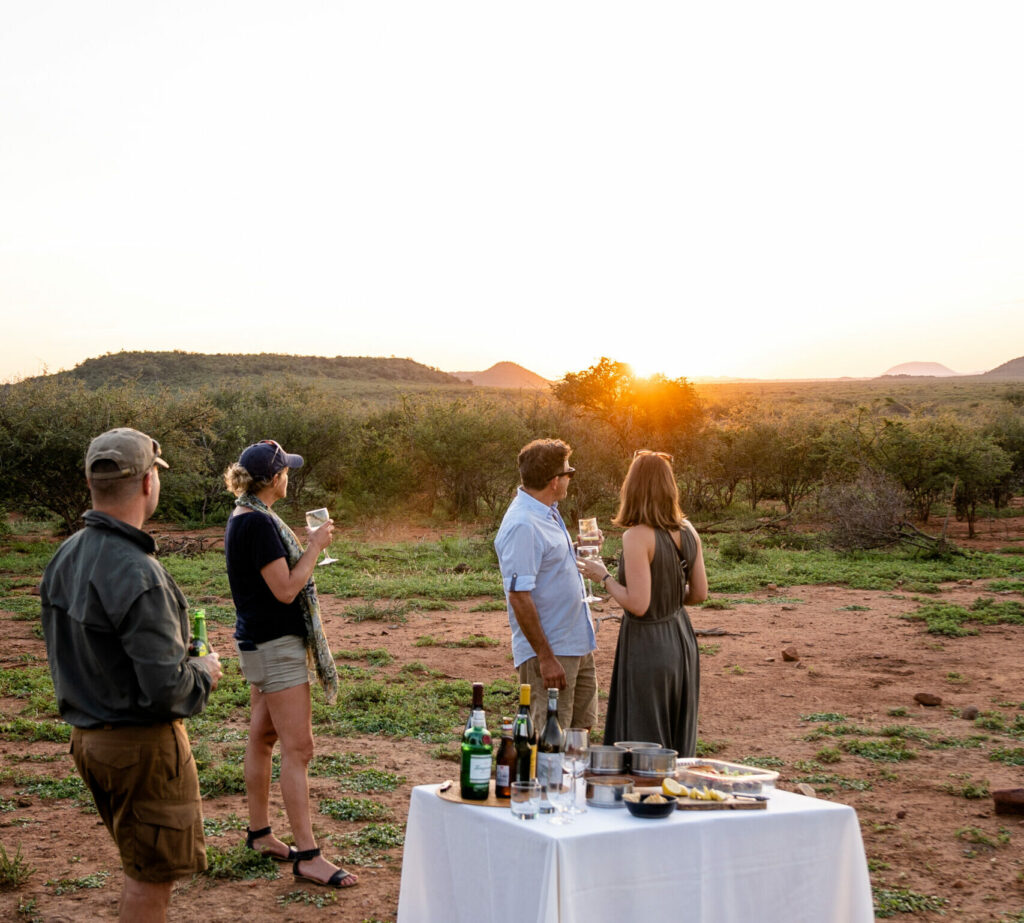
Safari accommodation also evolved, with small luxury lodges and private reserves offering more intimate and comfortable ways to experience the wilderness. Local communities became increasingly involved, benefiting through employment and conservation partnerships. Today’s safaris emphasise responsible travel, immersive nature experiences, and protecting wildlife habitats, reflecting a guest-centred and ethical approach.
What Safari Travellers Are Looking for Today
Today’s safari traveller wants more than wildlife sightings. Privacy and space are key, with many preferring smaller lodges and intimate settings. Experiences that feel personal, flexible, and unhurried allow for a deeper connection with nature.
Authenticity and purpose also matter. Travellers value knowledgeable guides, cultural insight, and ethical tourism. Lodges that support conservation and local communities appeal most, making modern safaris about meaningful, responsible, and enriching experiences.

Why Africa Remains the Heart of the Safari Experience
Africa remains the true home of the safari because of its extraordinary wildlife, vast open landscapes, and deep-rooted safari heritage. Nowhere else offers the same combination of iconic species, diverse ecosystems, and long-established conservation areas that protect these environments.
Beyond the animals, Africa’s safari tradition is shaped by experienced guides, trackers, and strong conservation efforts. Community involvement also adds cultural depth, making safaris here immersive, meaningful journeys connected to both nature and place.
The Future of African Safaris
The future of African safaris is closely tied to sustainability and innovation. Conservation-led tourism continues to grow, with lodges and reserves investing in wildlife protection, habitat preservation, and community support. Travellers increasingly want their holidays to contribute positively to the places they visit.
Technology is enhancing safari experiences through better guiding tools and smoother travel planning. At the same time, there is a strong move toward low-impact luxury, where comfort is balanced with environmental responsibility. Future safaris will focus on deeper connections with nature while ensuring Africa’s wild spaces are protected.

Book Your Luxury African Safari at Mateya
African safaris have evolved from long exploratory journeys to immersive, ethical, and highly personalised experiences. Understanding the African safari history adds context to today’s travellers, who seek privacy, authenticity, meaningful encounters, and lodges that prioritise conservation and community.
Mateya Safari Lodge embodies all of this. A small, private luxury lodge in the Madikwe Game Reserve, it features just five suites, each with a private plunge pool, all-inclusive personalised service, and flexible safari itineraries. Offering the best safari holiday for solo travellers, couples, or multi-generational groups, Mateya combines comfort, intimacy, and sustainability. Book your stay today and experience an African safari designed around you.
SHARE THIS POST