

National Parks vs Game Reserves: What Is the Difference?
Planning a safari in Africa often begins with one key decision: should you visit a national park or a game reserve? Both can offer incredible wildlife and stunning landscapes, but the experience you’ll have can differ in meaningful ways. From the level of exclusivity to the types of activities available, your choice can shape the pace, comfort, and overall feel of your safari holiday.
In this article, we will break down the main differences between national parks and game reserves in Africa and help you choose the option that best suits your specific needs and travel style.
What Is a National Park?
A national park is a protected area managed by the government to conserve natural landscapes, wildlife, and important ecosystems. These parks are set aside for public enjoyment, education, and preservation, with strict rules that limit development and human impact. They exist to protect biodiversity while allowing visitors to experience nature responsibly.
Examples of National Parks in Africa
A few examples of national parks in South Africa include Kruger National Park, Addo Elephant National Park, and Hluhluwe-iMfolozi Park, all offering excellent wildlife viewing opportunities. Across the continent, other notable game parks are Serengeti National Park in Tanzania, Chobe National Park in Botswana, and Maasai Mara National Reserve in Kenya.
What Is a Game Reserve?
A game reserve is usually privately owned or co-managed, giving it more flexibility in how wildlife experiences are offered. These reserves manage ecosystems and animal populations carefully, offering visitors a chance to experience nature responsibly. They often provide immersive wildlife experiences, with guided safaris, walking trails, and other activities designed to engage guests with the environment.
Examples of Game Reserves in Africa
Some of the top game reserves in South Africa include Madikwe Game Reserve, Sabi Sand Game Reserve, and Phinda Private Game Reserve, all known for their diverse wildlife and luxury safari experiences. Beyond South Africa, other well-known game reserves include Okavango Delta reserves in Botswana, Ol Pejeta Conservancy in Kenya, and Manyeleti Game Reserve, offering unique, private encounters with Africa’s wildlife.
What Are the Differences Between Game Reserves and National Parks?
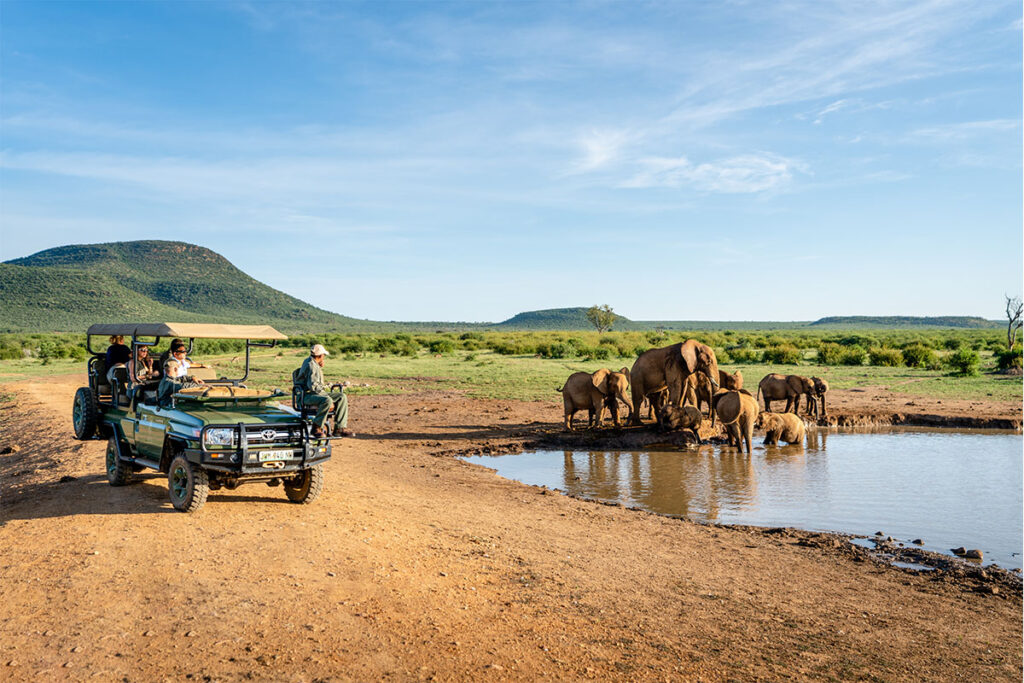
When comparing private game reserves vs national parks, it’s important to note that both protect wildlife and offer safari experiences, but they differ in ownership and style. Game reserves are typically private or co-managed, offering exclusive, flexible safaris, luxury lodges, and smaller groups.
National parks are publicly managed, covering larger areas and allowing more people to visit, often at lower cost. While game reserves provide privacy and personalised experiences, national parks give access to expansive landscapes and abundant wildlife.
Which is Best for Your Safari: A National Park or Game Reserve?
Both national parks and game reserves can offer amazing safari experiences, but the best choice for you will depend on a few key factors. Consider the following when planning your safari:
1. Privacy and Exclusivity
If you value a more intimate, quiet experience, private game reserves are ideal. They often limit guest numbers, providing exclusive access to wildlife and surroundings, whereas national parks can be busier, with larger crowds and shared game drives.
2. Accommodation Options
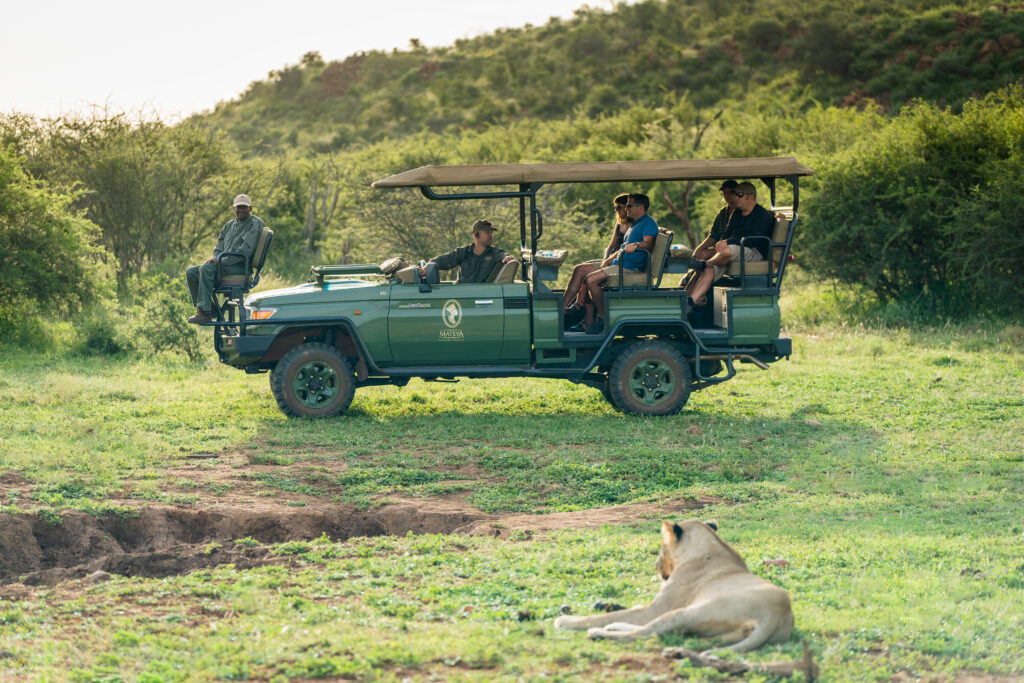
National parks can offer a range of safari accommodation, from budget-friendly camps to more developed lodges. However, if luxury and all-inclusive service are important to you, a private game reserve would be the better choice as they offer personalised service and comfortable, exclusive lodges.
3. Wildlife Viewing
Both national parks and game reserves offer incredible wildlife experiences. National parks often allow self-drive safaris, which give flexibility but can feel less guided. Game reserves, on the other hand, provide expertly guided game drives in smaller vehicles, allowing more personalised sightings, closer encounters, and tailored wildlife experiences.
4. Flexibility and Activities
Game reserves generally allow customised safari activities, such as private bush walks, night drives, or exclusive dining experiences. National parks have more set routes and schedules, which can be less flexible but are suitable for first-time visitors or those on a budget.
5. Cost
National parks are often more affordable, making them ideal for budget-conscious travellers. That being said, if budget is not a factor and you prefer a more luxurious safari holiday with full-service lodges, exclusive experiences, and all-inclusive packages, a private game reserve is usually the better option.
Book Your Stay at Mateya for A Luxury Safari in South Africa
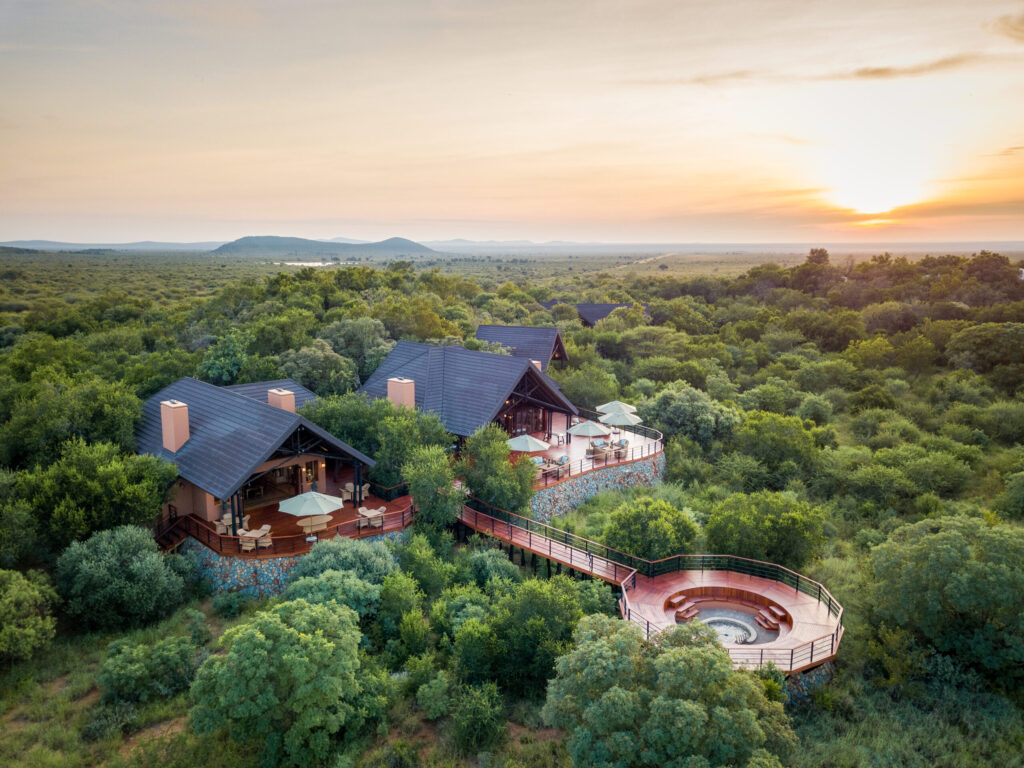
Mateya Safari Lodge is a small and private luxury lodge located in the Madikwe Game Reserve in South Africa. We offer an intimate safari experience with only five suites and a maximum of 10 guests. With smaller game drive vehicles, we provide a more personal and private wildlife encounter, and our all-inclusive service ensures a seamless, stress-free stay.
Whether you’re seeking adventure, relaxation, or a combination of both, Mateya delivers a luxury safari tailored to your needs. Book your stay today and enjoy an exclusive safari experience in South Africa.
SHARE THIS POST


